

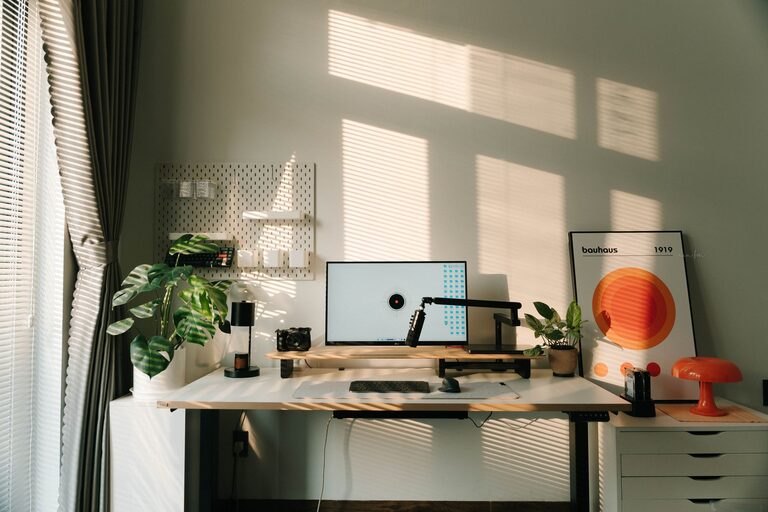
Creating a relaxing home workspace is essential for maintaining productivity, focus, and well-being, especially as many people spend significant time working from home. A calm and organized environment can help reduce stress, improve concentration, and create a clear boundary between work and personal life. Whether you have a dedicated room or a small corner in your living space, following a few simple tips can transform your workspace into a peaceful retreat.
Choose the Right Location
Your workspace location sets the foundation for a relaxing atmosphere.
– Natural Light: Position your desk near a window if possible. Natural light boosts mood and energy levels while preventing eye strain.
– Quiet Area: Select a spot away from heavy foot traffic or noisy household activities to minimize distractions.
– Ventilation: Fresh air circulation helps keep you alert and comfortable during long working hours.
If space is limited, consider using room dividers or noise-cancelling headphones to create a quiet nook.
Declutter and Organize Your Space
A cluttered desk can contribute to a cluttered mind. Keeping your workspace tidy promotes clarity and peace.
– Minimal Essentials: Only keep the items you use daily on your desk. Store extras in drawers or shelves.
– Storage Solutions: Use organizers, trays, and cable management tools to keep cords and supplies neatly arranged.
– Daily Clean-Up: Spend a few minutes at the end of each day clearing your desk to prepare for tomorrow.
Clear surfaces feel welcoming and reduce distractions, allowing you to focus better.
Choose Comfortable and Supportive Furniture
Ergonomics play a key role in maintaining comfort and relaxation.
– Chair: Invest in a chair with good lumbar support, adjustable height, and comfortable cushioning to prevent back strain.
– Desk Height: Ensure your desk and chair heights enable you to sit with feet flat on the floor, elbows at a 90-degree angle, and wrists straight.
– Standing Options: If possible, use a sit-stand desk or a converter to switch between sitting and standing throughout the day.
Comfortable furniture can alleviate physical tension, helping you feel more relaxed.
Use Soothing Colors and Decor
Colors and decor influence mood and energy levels.
– Color Palette: Opt for calm, neutral tones such as soft blues, greens, or warm whites to create a peaceful backdrop.
– Personal Touches: Add a few meaningful items like photos, artwork, or plants to make the space inviting without overcrowding.
– Natural Elements: Incorporate elements like wood textures or natural fibers to add warmth and comfort.
Avoid overly bright or harsh colors that could contribute to feelings of anxiety.
Incorporate Plants
Adding greenery can reduce stress and boost creativity.
– Low-Maintenance Plants: Choose easy-care plants such as succulents, snake plants, or pothos.
– Air Quality: Some plants can improve indoor air quality, promoting a healthier workspace.
– Visual Appeal: The presence of plants connects you with nature and can create a calming effect.
Place plants where they get adequate light, but avoid overcrowding your desk.
Optimize Lighting
Proper lighting helps reduce eye strain and improves overall comfort.
– Layered Lighting: Combine natural daylight with ambient room lighting and a focused task lamp.
– Adjustable Lamps: Use adjustable desk lamps to direct light where you need it most.
– Avoid Glare: Position monitors perpendicular to windows to prevent glare and reflections.
Good lighting supports alertness while maintaining a cozy atmosphere.
Create a Relaxation Routine
Taking breaks is vital for sustained relaxation and productivity.
– Scheduled Breaks: Implement short breaks every hour to stand, stretch, or breathe deeply.
– Relaxation Aids: Use calming scents from essential oils or candles, if safe and permitted.
– Background Sounds: Play soft instrumental music or nature sounds to enhance focus and relaxation.
These small habits can recharge your mind and reduce feelings of burnout.
Set Boundaries
Maintaining a work-life balance supports a relaxed mindset.
– Defined Workspace: Avoid working in bedrooms or areas associated with relaxation or sleep.
– Clear Hours: Establish regular work hours and communicate them to household members to minimize interruptions.
– End-of-Day Routine: Develop a ritual to “close” your workspace, such as shutting down your computer and tidying your desk.
Strong boundaries help your mind associate your workspace with work and other areas with relaxation.
—
By paying attention to your home workspace layout, comfort, and atmosphere, you can create a relaxing environment that supports your work and well-being. A few thoughtful changes can make a big difference in how you feel throughout your workday. Start with small adjustments and adapt your space to what makes you feel most comfortable and calm. Happy working!